

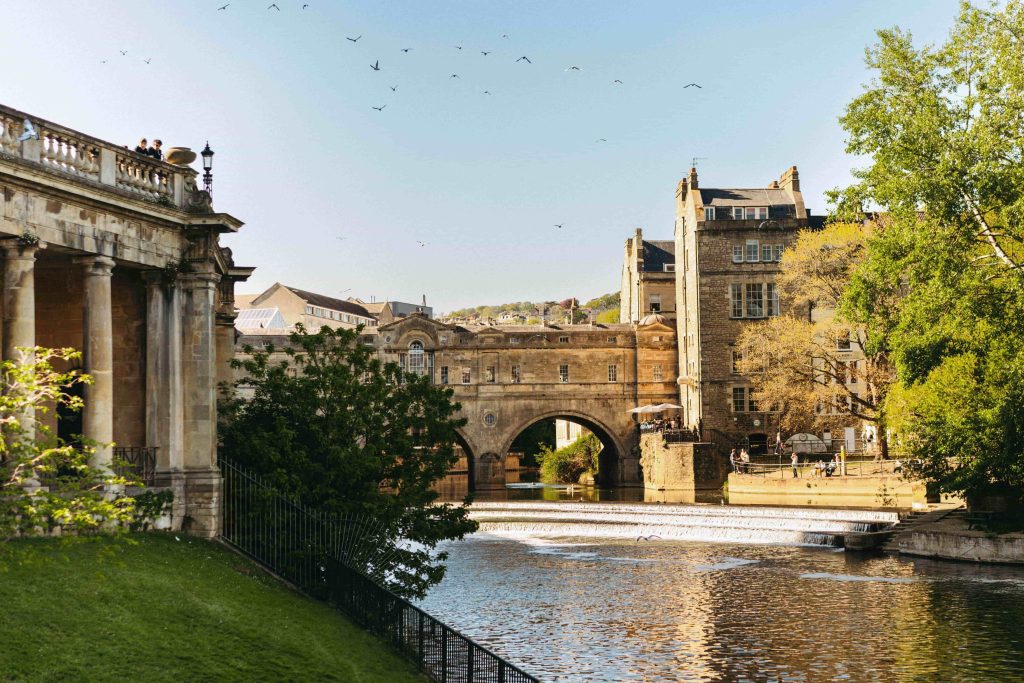
Living in a Bristol or Bath conservation area means living among some of the region’s most distinctive homes. From the grandeur of Clifton and the creative heartbeat of Bedminster to Bath’s Georgian terraces, these areas have a unique character worth protecting.
That can make home improvements, including window replacements, more complicated. If your home has single glazing, ageing timber sash windows or draughty casement windows, can you still install modern double glazing? The answer is yes, if you find a suitable product.
For homeowners considering double glazing in a conservation area, the Residence Collection offers a practical solution. Its timber-inspired appearance helps respect the character of the conservation area, while modern uPVC provides improved energy efficiency, security and comfort.
Double glazing conservation areas: what are they and do I live in one?
A conservation area is designated because of its architectural or historic interest. Planning controls help protect its appearance, character and heritage value.
An Article 4 direction can remove certain permitted development rights, meaning work that would usually be permitted may need planning permission. Your local authority or local council can confirm what applies to your property.
Bristol conservation areas
Bristol City Council manages 33 distinct conservation areas. Planning restrictions vary, but areas with Article 4 Directions (e.g., Clifton, Cotham, Redland) prohibit replacing traditional timber sash or casement windows without a full planning application.
- Arnos Vale
- Avon Valley
- Bedminster
- Bower Ashton
- Brentry
- Brislington
- Cheswick
- City and Queen Square
- City Docks
- Clifton, Cliftonwood and Hotwells
- Cotham and Redland
- Downend
- Eastville
- Fishponds
- Frenches Way
- Henbury
- Henleaze
- Kingsdown
- Montpelier
- Old Market
- Redcliffe
- Redland
- Shirehampton
- Sneyd Park
- St Andrews
- St George
- St Pauls
- St Werburghs
- Stoke Bishop
- Tyndall’s Park
- Victoria Park
- Westbury-on-Trym
- Woolcott Park
The full list should always be checked with Bristol City Council as restrictions can vary by location, and they are updated fairly regularly. They also have a handy tool where you can see if your property is inside one of these areas.
Please note, that just because neighbourhoods as a whole are mentioned above, it doesn’t mean every home in that patch is inside a conservation area, it just means that the place (such as Bedminster), plays host to one.

Bath conservation areas
Bath & North East Somerset has 35 conservation areas. The City of Bath Conservation Area is divided into 22 character areas:
- Lansdown Place, Crescent & Somerset Place
- Upper Lansdown
- Beacon Hill and St Stephen’s
- Newbridge, Combe Park & Lower Weston
- Lower Lansdown & Camden
- Grosvenor & Lambridge
- Brassmill Lane, Locksbrook & Western Riverside
- City Centre
- Bathwick
- Widcombe & Kennet and Avon Canal
- Bathampton Slopes / Village fringe
- Twerton, Whiteway, Southdown & Moorlands
- Bear Flat & Oldfield Park
- Pulteney Road
- North Road & Cleveland Walk
- Bathampton Slopes (East)
- Beechen Cliff & Alexandra Park
- Entry Hill, Perrymead & Prior Park
- Bathampton Down & Claverton Down
- Odd Down
- Foxhill
- Combe Down
If your property is also a listed building, additional consent may be required.
Introducing the Residence Collection: conservation area compliance, modern performance
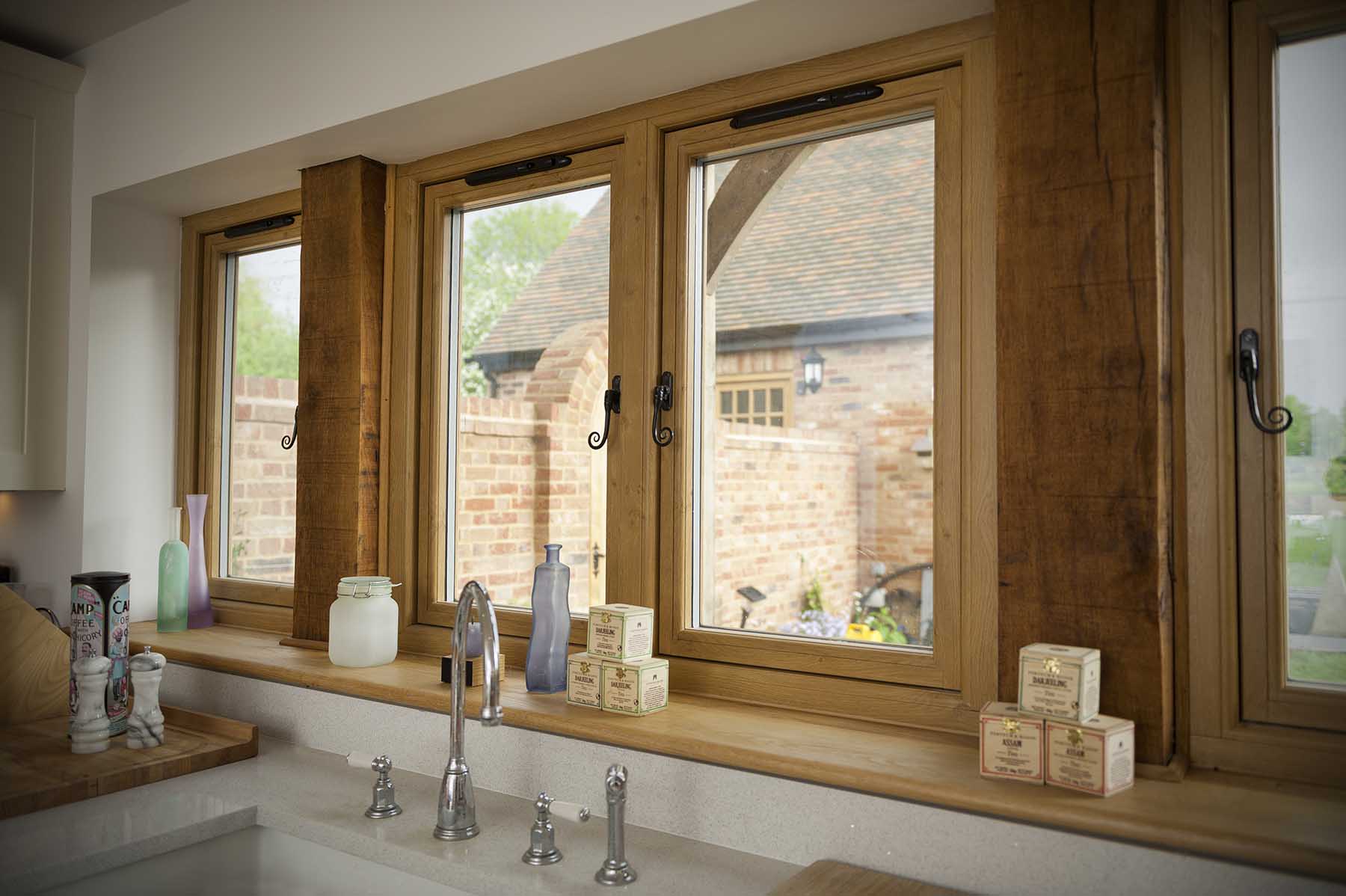
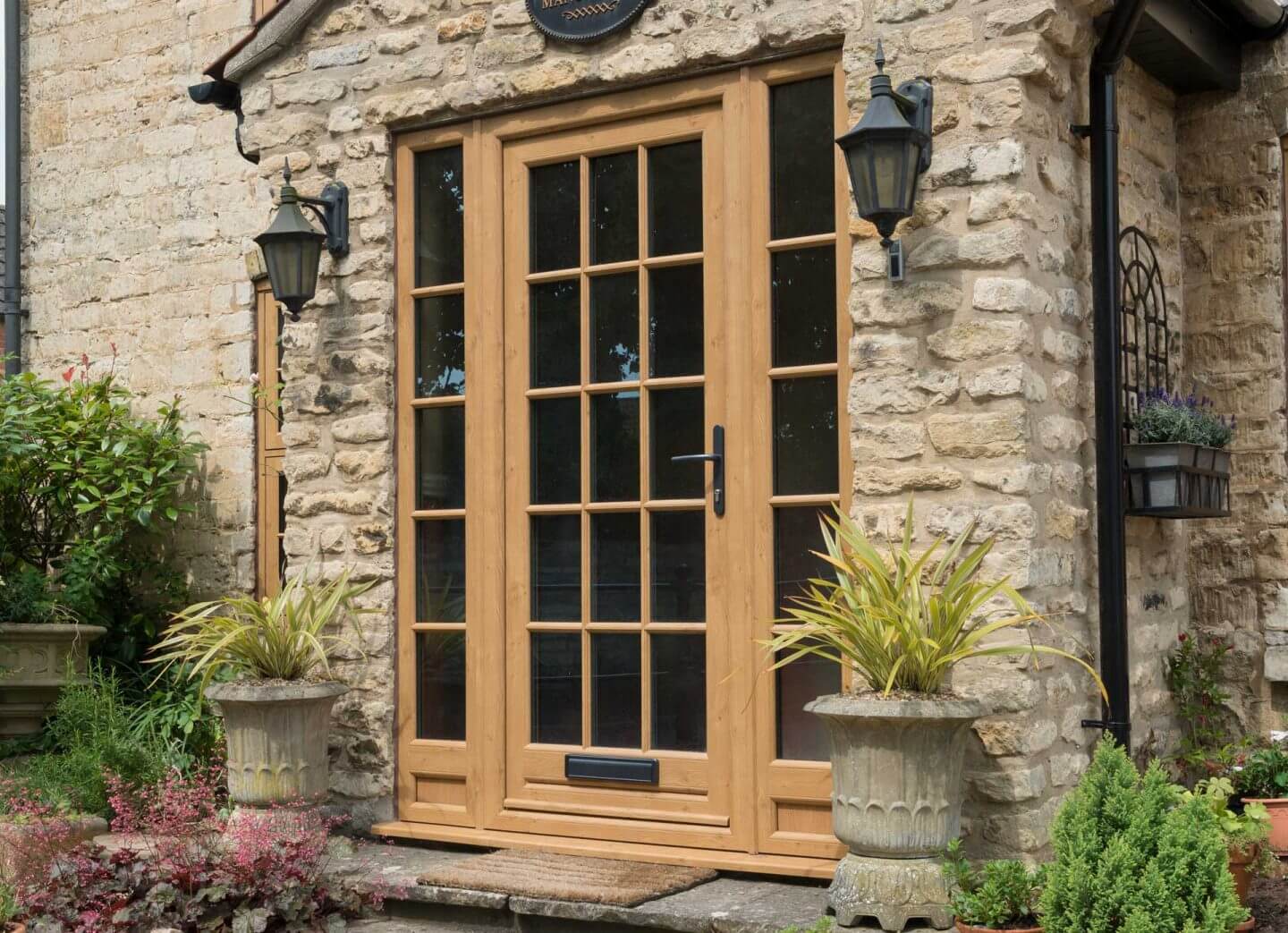
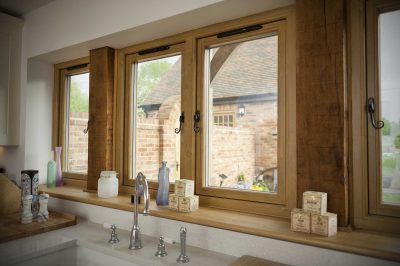
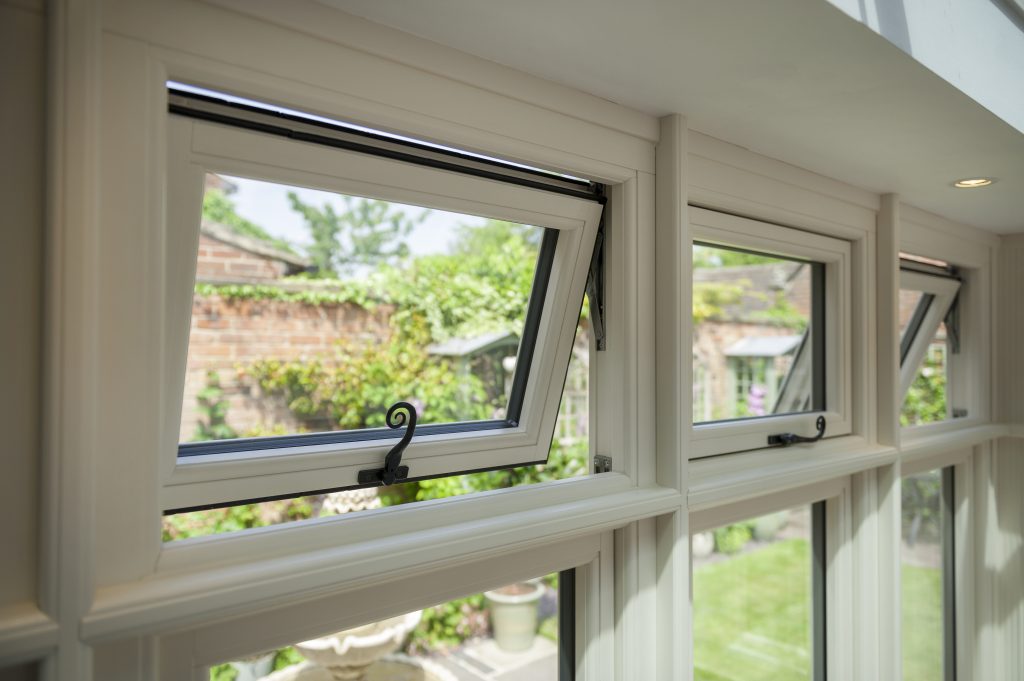
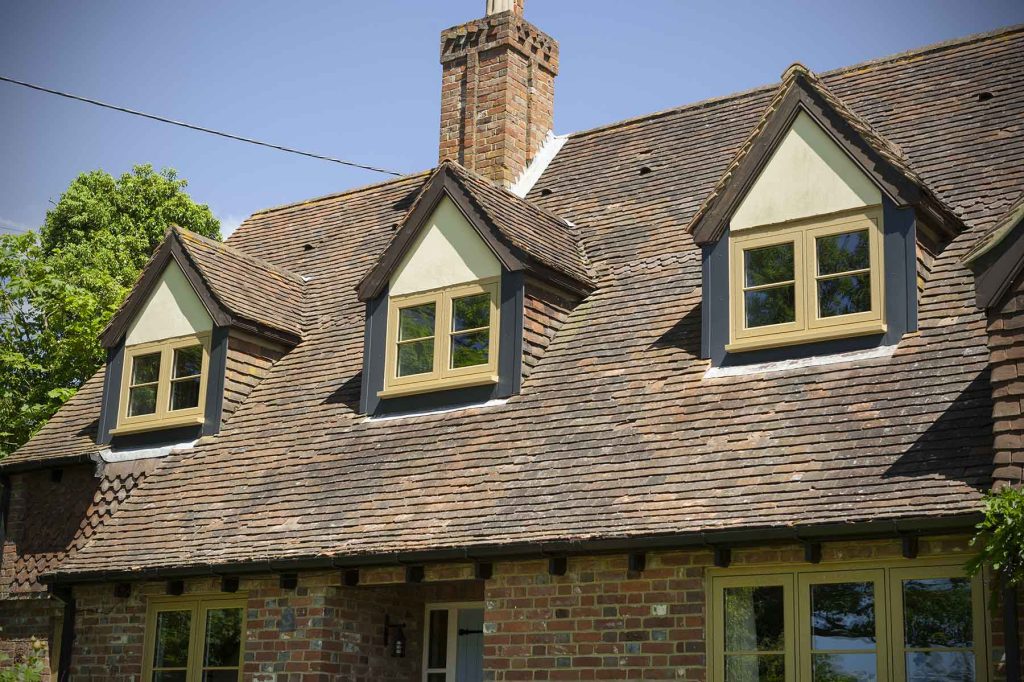
The Residence Collection, sometimes called timber-effect windows, is a beautiful range of uPVC replacement windows designed to replicate traditional timber. They do this brilliantly, incorporating granular details, a textured feel and finishes that even the experts struggle to distinguish from real wooden frames.
uPVC (unplasticised polyvinyl chloride) is the most popular window frame material in the UK, and it’s also used for doors. It’s affordable due to its ease of manufacture, and offers strong thermal efficiency. Double glazing uses two panes separated by an air gap, helping reduce heat loss. Residence Collection windows can also provide excellent sound insulation and strong energy ratings.
For period properties, Residence 9 has a 100mm frame designed to replicate traditional 19th-century timber. Its mechanical joints, flush design and traditional detailing can create a similar appearance to timber sash windows.
What are the benefits of Residence Collection windows?
Heritage-friendly designs
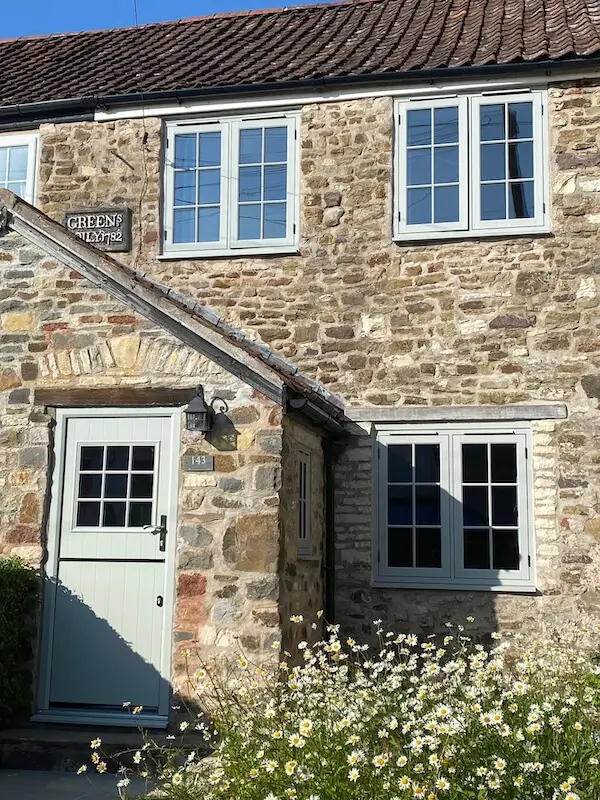
Residence 9 is particularly suited to heritage properties and conservation area windows. Traditional Georgian bars, timber-inspired finishes and period hardware help protect the visual integrity of historic homes. Some of these finishes include white woodgrain, rosewood, light oak and English oak.
Better thermal performance
Replacing outdated glazing can improve comfort and energy efficiency. Residence Collection double glazing achieves U-values of 1.2 W/m²K, with triple glazing reaching lower figures on selected systems.
Whilst these numbers may seem confusing, strong thermal performance essentially means your new windows will reduce the transfer of heat between inside and outside. Therefore, your home will be a comfortable temperature year-round, and energy bills will be lower.
Where replacing original windows is unsuitable, secondary glazing or slimline double glazing may also be worth considering.
Low maintenance and durable
Unlike traditional timber, modern uPVC does not require regular sanding and painting. The Residence Collection provides the appearance of traditional timber with the durability and easy maintenance of uPVC.
Customisable finishes
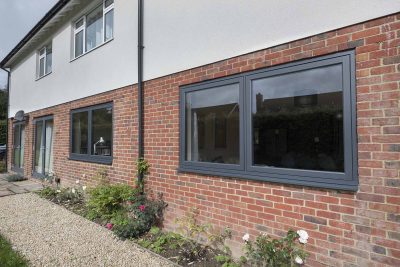
Choose from heritage-inspired finishes including Cotswold Green, Clotted Cream, Painswick Grey, English Oak and Golden Oak, alongside modern colours such as No. 10 Black.
Why trust DM Windows for your Residence Collection installation in Bristol and Bath?
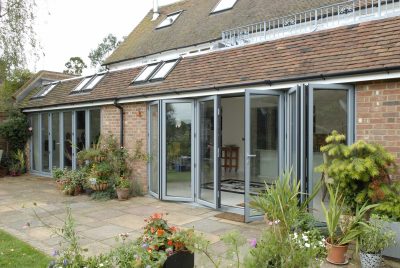
At DM Windows, we have years of experience helping homeowners across Bristol and the surrounding areas. We offer bespoke uPVC and aluminium products, including Residence Collection windows, sash windows, casement windows, flush sash windows, available in both uPVC and aluminium frames.
We source several of our systems from local Bristol manufacturers and are CERTASS-certified installers and SafeContractor Approved.
Whether you live in a Victorian terrace in Clifton, an Edwardian home in Bedminster or a historic property in Bath, we can help you find the right style for your home.
If you are considering double glazing in a conservation area, get in touch with DM Windows today for a free quote on your Residence Collection installation.
Frequently Asked Questions
FAQs
Can I install uPVC casement windows in a conservation area?
Yes, where appropriate. Conservation area windows should respect the character of the conservation area, with flush casement windows, slim sightlines and a similar appearance to traditional timber windows all recommended. The Residence Collection, uPVC windows that replicate the look of timber, are recommended as they are often preferred by conservation officers, as despite being a different style, they replicate the appearance of older timber.
Are Residence Collection windows suitable for period homes?
Yes. Their timber-effect design suits Edwardian homes and other period properties, offering modern thermal efficiency, energy ratings and sound insulation with the right style.
Can Residence Collection windows match the look of my existing windows?
Yes. With a choice of colours, finishes, glazing bars and types of windows, you can create a similar window style that complements your home’s external appearance and original design.