

Choosing the right material for your window frames can impact your home’s monthly energy bills, aesthetics, and security.
And for most homeowners, the choice comes down to this classic matchup between the UK’s two favourite options: uPVC vs aluminium windows.
They’re the two most popular window frame materials in the UK for good reason, both have evolved to become ideal for everyday living. But whilst they’re both great options, your unique priorities may be more suited to one than the other. For example, uPVC is typically more affordable, but aluminium offers greater strength and longevity.
At DM Windows, we’ve been manufacturing and installing both uPVC and aluminium windows, in varying styles such as casement, sliding sash & flush sash, in Bristol and our surrounding areas for 20 years. Below, we’ll compare the two materials in more depth, and hopefully give you clarity about which is better suited to you.
Weighing up style, lifespan, and your budget
When starting your research, your immediate priorities will likely centre around how the window looks, how long it will last, and how much it will cost to buy and install.
uPVC frames: The cost-effective all rounder
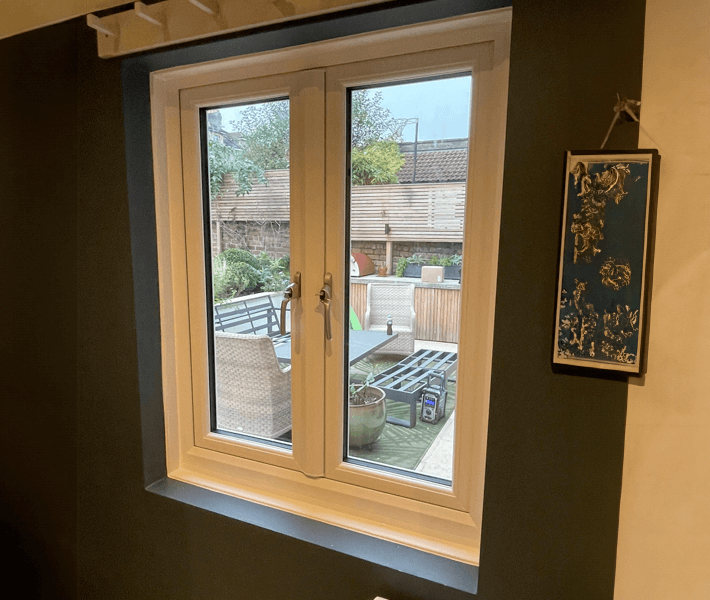
Un-plasticised Polyvinyl Chloride (uPVC) remains an incredibly popular choice for replacement windows throughout the UK. It’s a synthetic material that is also used for doors and guttering, there’s a good chance it can be found on your house somewhere already.
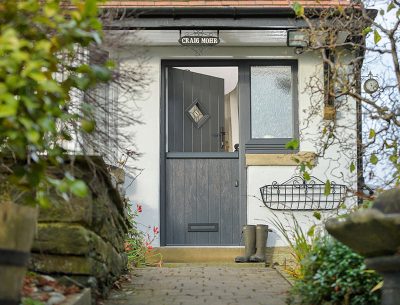
The primary advantage of uPVC windows is their exceptional value for money. They provide outstanding security and insulation at a highly accessible price point. Modern uPVC is highly durable, resisting rot and rust, with an expected lifespan of 20 to 30 years.
Aluminium frames: High strength and contemporary Style
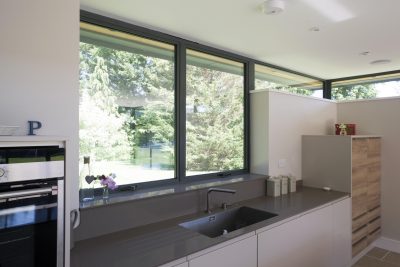
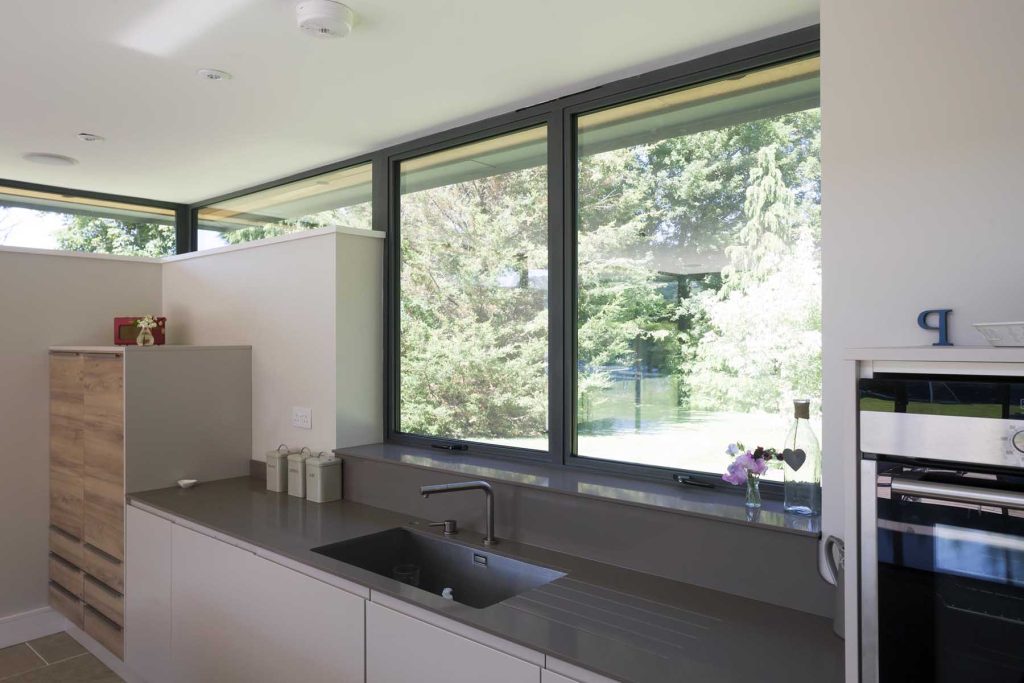
Aluminium windows are a premium option known for their remarkable structural strength. Because aluminium is so strong, it’s a metal after all, the window frames can be designed with incredibly slim profiles while safely holding heavy glass panes. This means you get a larger surface area of glass, maximising natural light. Aluminium frames can easily last 30 to 45 years, making them a fantastic long-term investment. However, due to advanced manufacturing techniques and raw material costs, they generally require a higher upfront financial investment than uPVC.
Keeping the heat in: Thermal performance differences
With energy costs a key concern for families, meeting strict UK building regulations for insulation is non-negotiable. As of 2026, all new window installations must achieve excellent thermal performance to lower household carbon footprints.
Historically, uPVC was considered the natural winner for insulation because it’s a type of plastic, making it a poor conductor of heat. This is no longer the case because modern multi-chambered uPVC frames trap pockets of air to block cold draughts and stop heat loss far more effectively than the uPVC frames of 20 years ago.
Aluminium, as a metal, naturally conducts heat and traditionally metal windows were cold and prone to condensation. However, modern manufacturing relies on advanced thermal break technology to completely solve this issue. A polyamide thermal break is placed inside the aluminium frames, creating a barrier that prevents heat transfer from inside your room to the cold outdoors. This works the other way in summer, as unwelcome humidity and warmth stays outdoors, which you’ll be especially thankful for during heatwaves like the ones we’ve been experiencing this year.
When paired with high-performance double glazing or triple glazing, premium aluminium windows deliver exceptional energy efficiency that rivals uPVC, ensuring your home stays warm and your energy bills remain manageable.
Everyday living: Maintenance and design preferences
Both materials are brilliantly low maintenance compared to traditional timber windows, which require regular sanding, painting, and sealing to prevent rot.
To keep both uPVC and aluminium looking brand new, all that is required is a wipe down with warm, soapy water a few times a year to clear away external grit and dirt. They will never warp, peel, or flake in the erratic British weather.
Your choice will likely depend heavily on your personal style preferences and the architecture of your property:
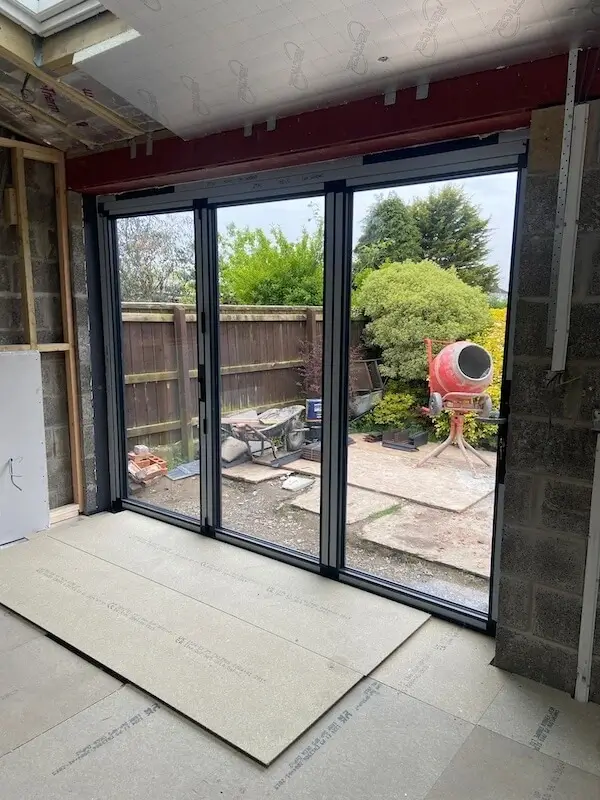
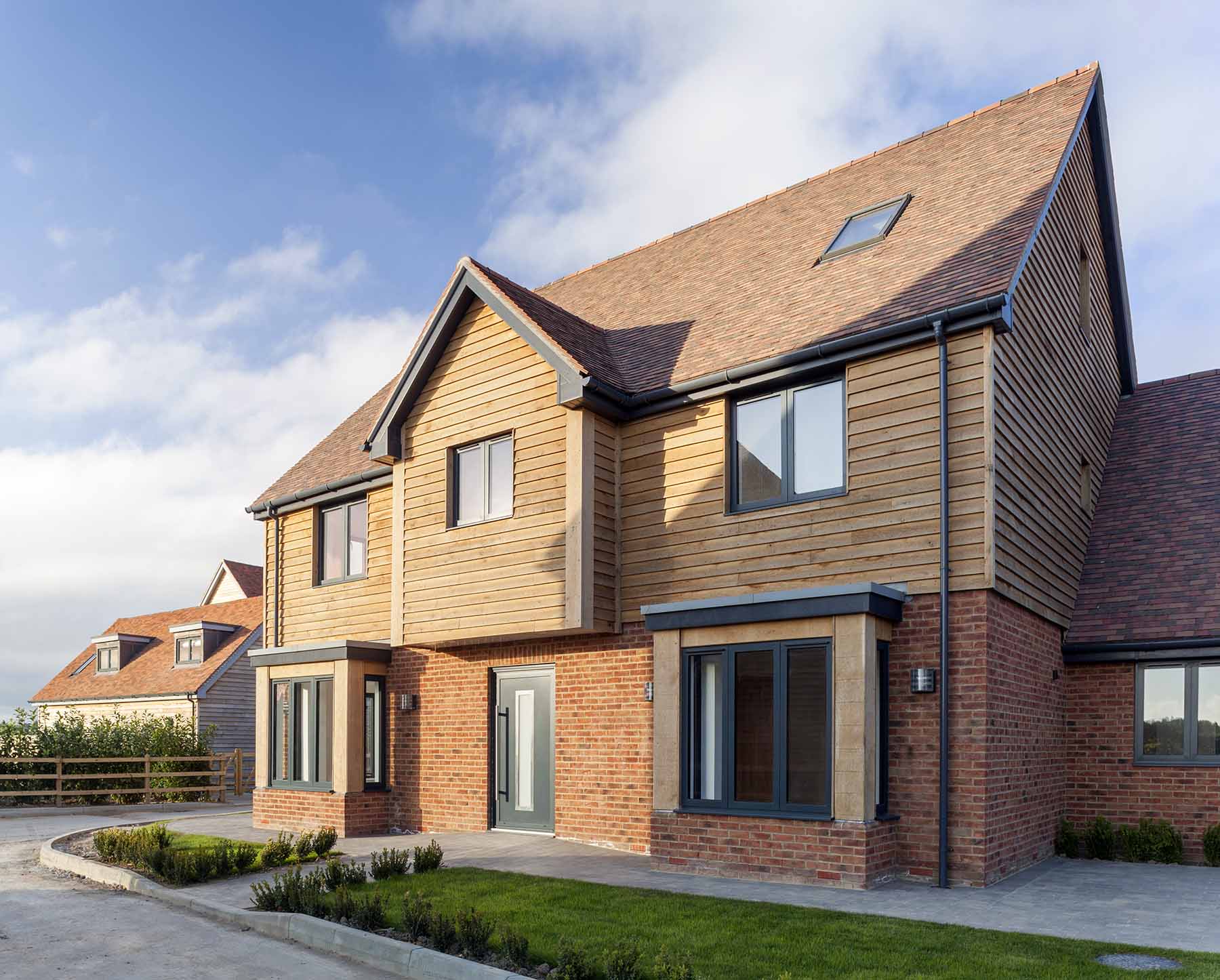
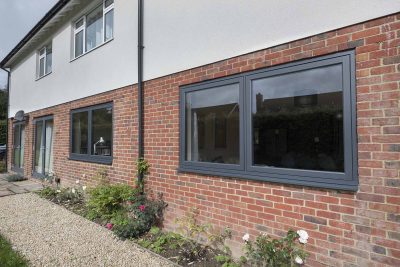
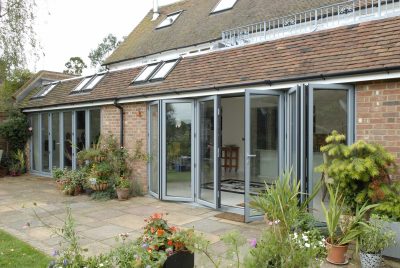
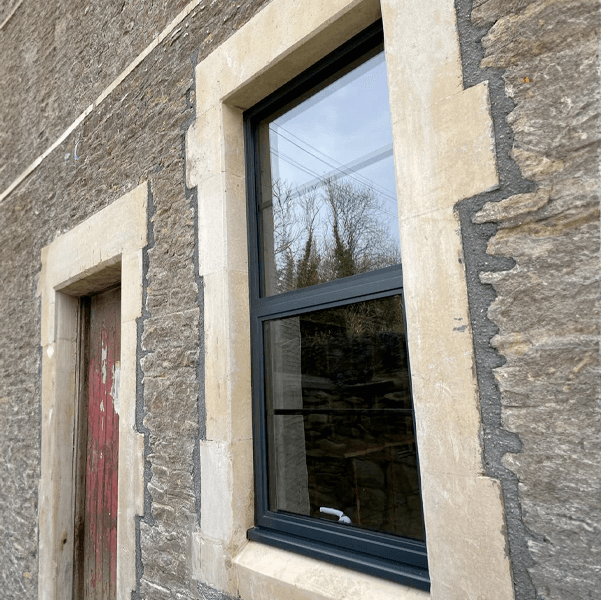
- The Modern Look: If you are building a contemporary rear extension or want a minimalist aesthetic, aluminium frames are ideal. They are available in a wide range of colours, including the incredibly popular Anthracite Grey, applied via a durable powder-coated finish.
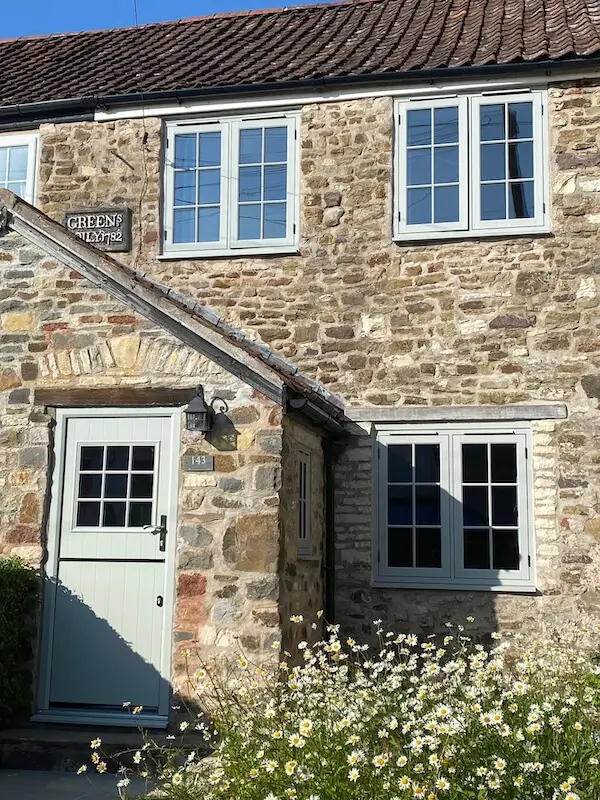
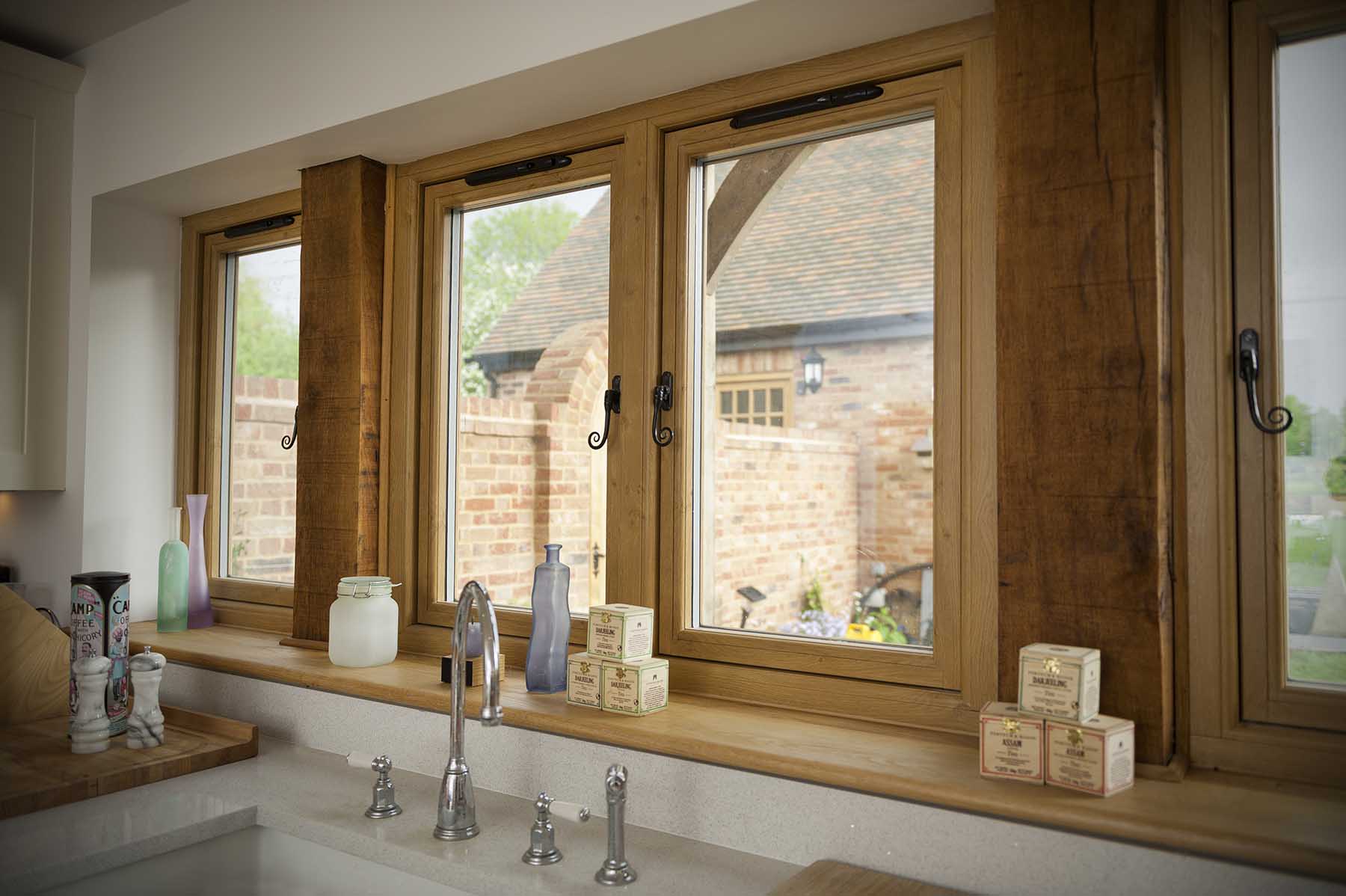
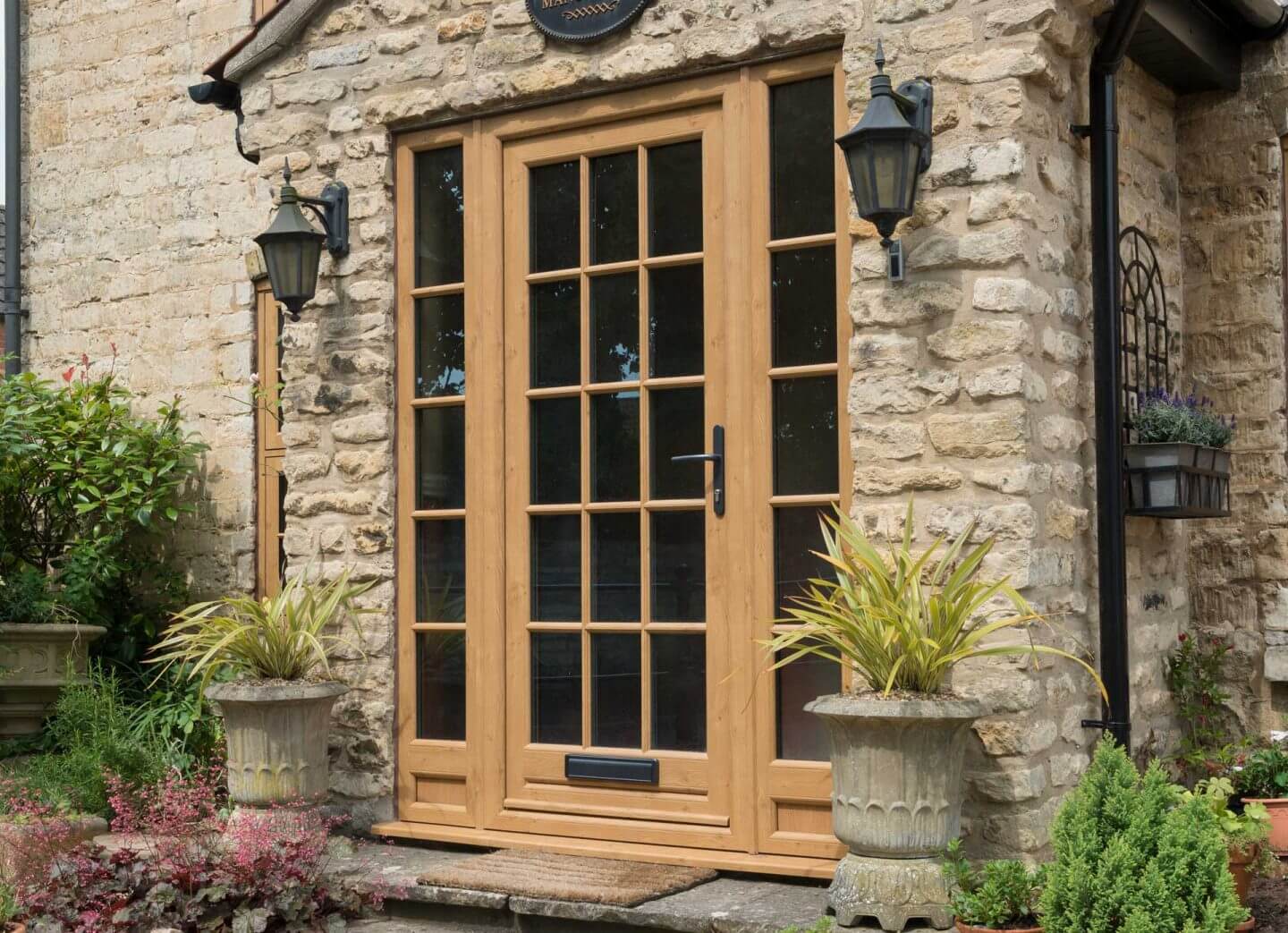
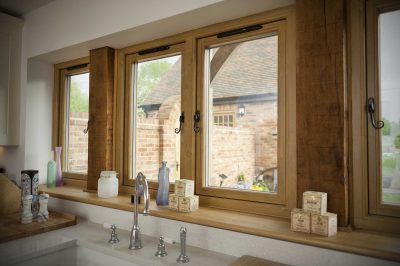
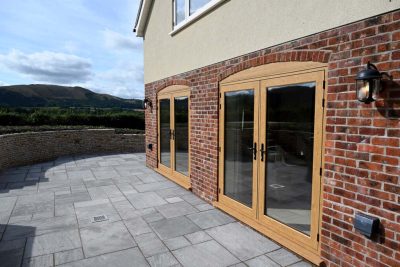
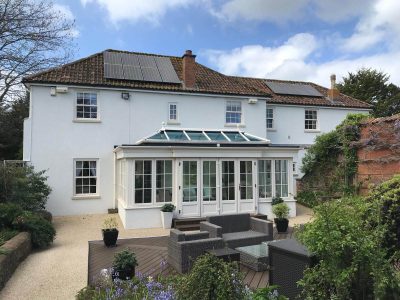
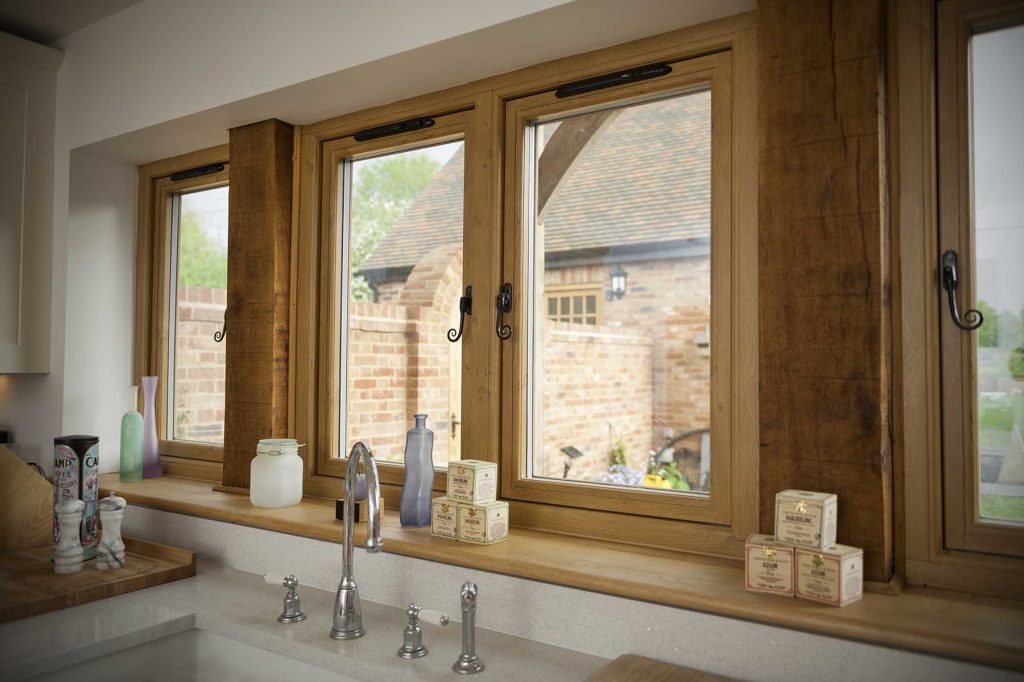
- Classic and Character Homes: If you own a traditional West Country cottage or a Victorian terrace, standard casement windows or authentic uPVC sash windows might suit the original building style better. For period properties, we also manufacture the Residence Collection, beautifully crafted timber-alternative windows that capture the exact proportions of historic joinery with all the low maintenance benefits of modern materials.
The final decision: Which fits your property best?
Ultimately, the right choice between uPVC vs aluminium windows comes down to your project budget and your long-term design goals. If your priority is to secure reliable, highly efficient, and affordable windows that require minimal upkeep, uPVC is an excellent, time-tested choice.
If you want to maximise your view with the slimmest possible frames, require oversized glass panels for a modern extension, and want a material that lasts for four decades, aluminium is well worth the extra investment.
Start Your Home Improvement Journey with DM Windows
Whether you are looking for classic uPVC doors and windows, contemporary aluminium profiles, or heritage timber alternatives, our team at DM Windows is here to deliver tailored solutions to the highest standards. Because you are buying directly from the Bristol manufacturers, you benefit from fast turnarounds, reliable quality control, and unparalleled local expertise.
Get in touch with our friendly team today to discuss your ideas or request a transparent quotation:
- Call Our Bristol Office: 0117 313 6884
- Email Our Team: sales@dmwindowsbristol.com
- Connect Online: Fill out our brief Online Contact Form to book your personalised, no-obligation consultation.