

Key Highlights
- Enjoy the classic beauty of timber windows without the constant upkeep, thanks to modern wood effect uPVC.
- These windows offer superior energy efficiency, helping to lower your energy bills and keep your home comfortable.
- Benefit from minimal maintenance, as wood effect frames don’t rot, flake, or require repainting.
- Choose from a wide variety of authentic woodgrain finishes and colors to perfectly match your home’s style.
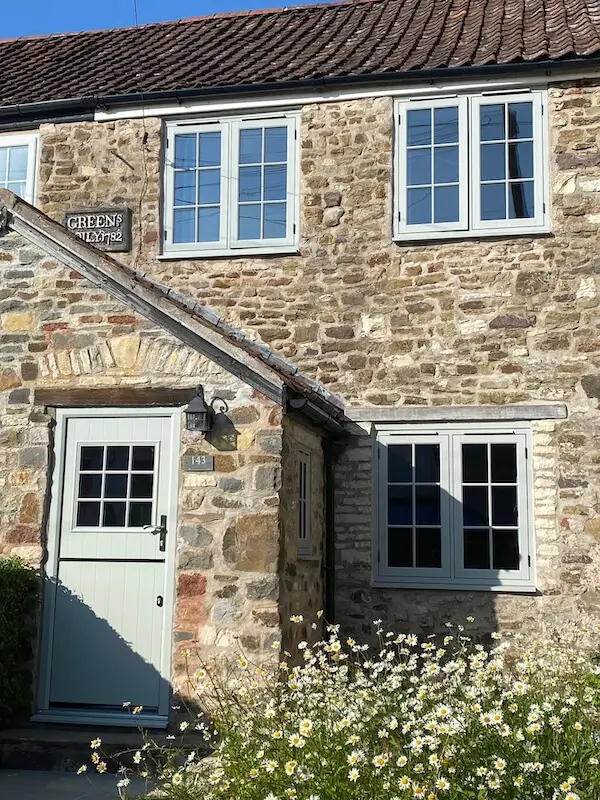
- Wood effect windows provide the traditional aesthetics needed for period properties, often meeting conservation area requirements.
Introduction
Are you torn between the timeless appeal of traditional timber and the practical benefits of modern uPVC windows? You’re not alone. Many homeowners love the character of wooden frames but worry about the demanding maintenance. Timber effect windows offer the perfect solution. They masterfully replicate the look of real wood, providing a beautiful, durable, and low-maintenance alternative that gives you the best of both worlds. It’s the classic charm you desire with the modern performance you need.
Understanding Wood Effect Windows vs Real Timber
When choosing new windows, it’s helpful to know your options. Wood effect windows and real timber windows may look similar from a distance, but they are fundamentally different in their construction and long-term performance. The key distinction lies in the materials and manufacturing techniques used.
Real timber windows offer authentic traditional aesthetics, but they come with significant maintenance demands. In contrast, a timber alternative provides the same visual appeal using modern materials, eliminating the drawbacks associated with wood. Let’s explore these differences more closely.
What Are Wood Effect Windows?
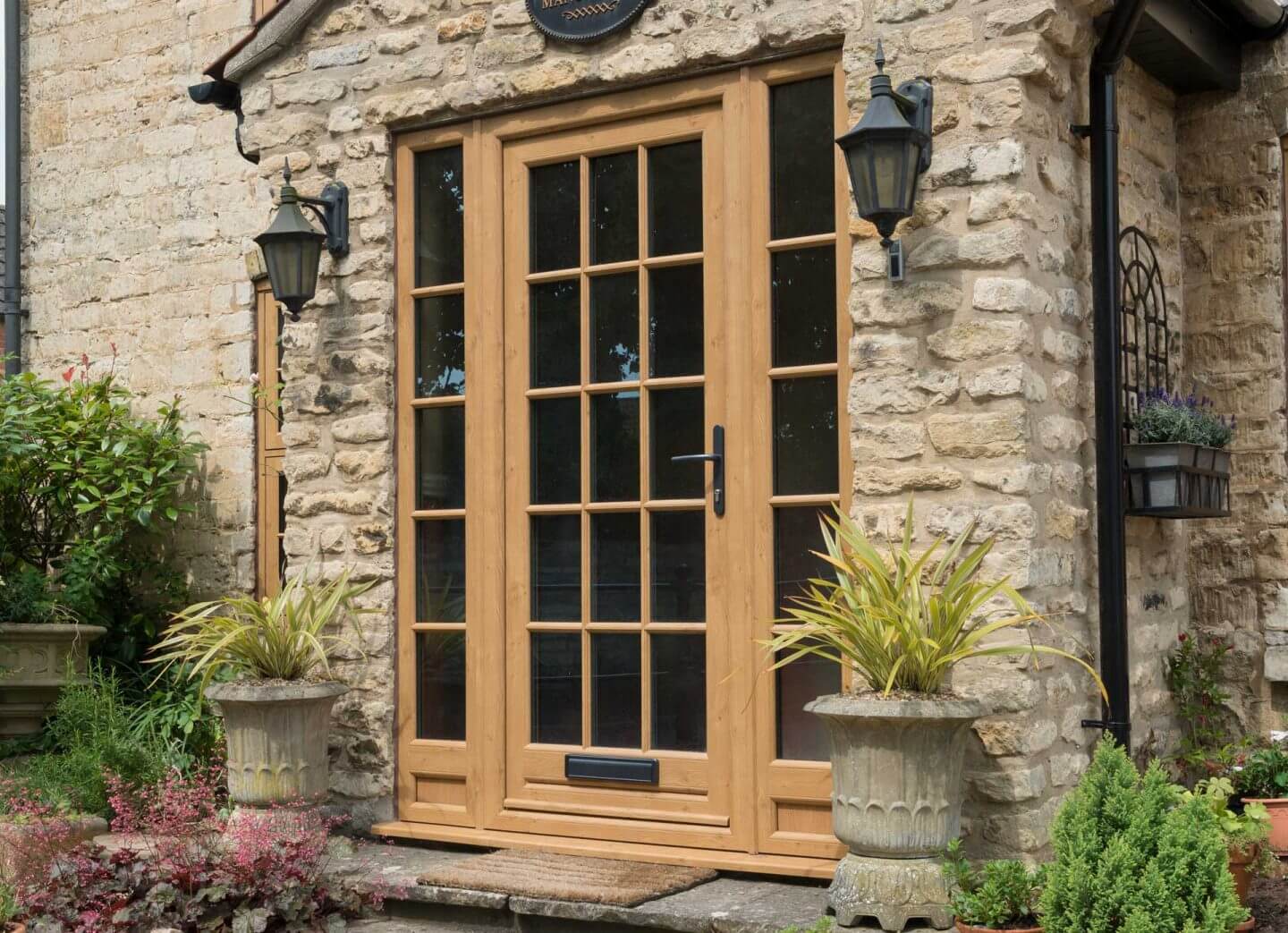
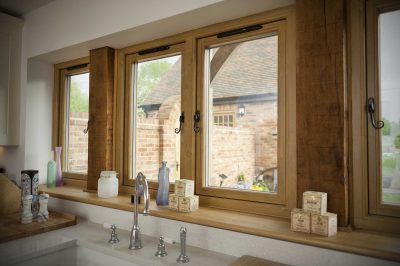
So, what exactly are wood effect windows? Simply put, they are windows typically made from a uPVC core that is finished with a highly realistic woodgrain foil. This innovative design allows them to perfectly mimic the appearance of traditional timber frames, giving you the classic look of wooden frames without any of the associated upkeep.
These windows are engineered to replicate the intricate details of real wood, from the grain pattern to the texture. Advanced manufacturing techniques ensure that the wood effect uPVC is almost indistinguishable from genuine timber, providing a stunning aesthetic appeal for any property. They capture the character and warmth of wood while offering superior performance.
Unlike real wooden frames that are susceptible to rot and require regular painting, these alternatives are built for durability. They represent a smart combination of traditional style and modern technology, making them an ideal choice for homeowners seeking beauty and practicality.
How Do Timber Effect Windows Differ From Traditional Timber?
While they share a similar look, timber effect windows and traditional timber windows are worlds apart in terms of performance and maintenance. Modern uPVC alternatives are specifically designed to overcome the common issues associated with real wood, such as warping, rotting, and the need for frequent refinishing.
The primary difference comes from the core material. Traditional timber windows are made entirely of wood, which is a natural material that reacts to moisture and temperature changes. Alternative windows use a stable uPVC frame with advanced wood effect finishes, ensuring they remain weatherproof and durable for years. This modern approach delivers consistent performance that wood cannot always guarantee.
Here’s a quick comparison of the key differences:
| Feature | Wood Effect Windows | Traditional Timber Windows |
|---|---|---|
| Maintenance | Minimal; requires only occasional cleaning | High; requires regular painting, staining, and sealing |
| Durability | Will not rot, warp, or flake | Susceptible to rot, warping, and insect damage |
| Insulation | Excellent thermal efficiency with multi-chambered frames | Good natural insulator, but can be prone to drafts |
| Cost | Generally more cost-effective over its lifespan | Higher initial cost and ongoing maintenance expenses |
Material Choices: uPVC, Aluminum, and Composite Wood Effect Windows
When you choose wood effect windows, you are not limited to a single material. The most popular option is wood effect uPVC windows, which offer a fantastic balance of cost, insulation, and authentic appearance. These windows are engineered with multi-chambered profiles that trap heat, boosting your home’s thermal performance.
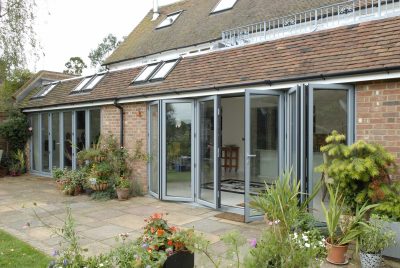
However, other materials are also available to suit different needs and styles. For instance, aluminium windows can be finished with a convincing wood effect, offering incredible strength and slim sightlines for a more contemporary look. Composite windows combine materials like timber and aluminum to deliver premium performance and style.
Your choice of material can influence the window’s final look and features. Popular options include:
- uPVC: The most common choice, known for its excellent insulation and value.
- Aluminum: Offers sleek, modern frames with a durable woodgrain finish.
- Composite: A premium option combining the best qualities of different materials for ultimate performance.
- Flush Sash: Many material types can be crafted into a flush sash style, where the window sits level with the frame for a clean, traditional appearance.
Visual Appeal and Authenticity of Timber Effect Windows
One of the biggest selling points of timber effect windows is their incredible visual appeal. Thanks to advanced manufacturing, modern wood effect finishes now capture the authentic appearance of timber with stunning accuracy. You no longer have to compromise on style to get the benefits of modern materials.
From the subtle grain details to the rich color tones, these windows replicate the warmth and character of traditional wooden windows. The realistic woodgrain finishes ensure your home benefits from a classic aesthetic that enhances its curb appeal without the demanding upkeep of real wood.
The Realism of Modern Wood Effect Finishes
You might be wondering, “How realistic is the wood effect on modern windows?” The answer is: incredibly realistic. Modern wood effect finishes are a far cry from the unconvincing plastic look of the past. Today’s technology allows for a level of detail that makes wood effect uPVC virtually indistinguishable from real wood, even up close.
These finishes are created using a durable foil that is bonded to the window frame. This foil features a multi-tonal and textured woodgrain pattern that perfectly mimics the natural imperfections and beauty of timber. The result is a finish that not only looks authentic but also feels like real wood to the touch.
Whether you prefer the classic look of oak or a painted wood finish, the options are designed to provide a truly genuine appearance. This realism ensures that your new windows will enhance your property’s character, making them a perfect fit for both period homes and modern builds seeking a touch of traditional charm.
Comparing Grain Patterns and Colors to Genuine Timber
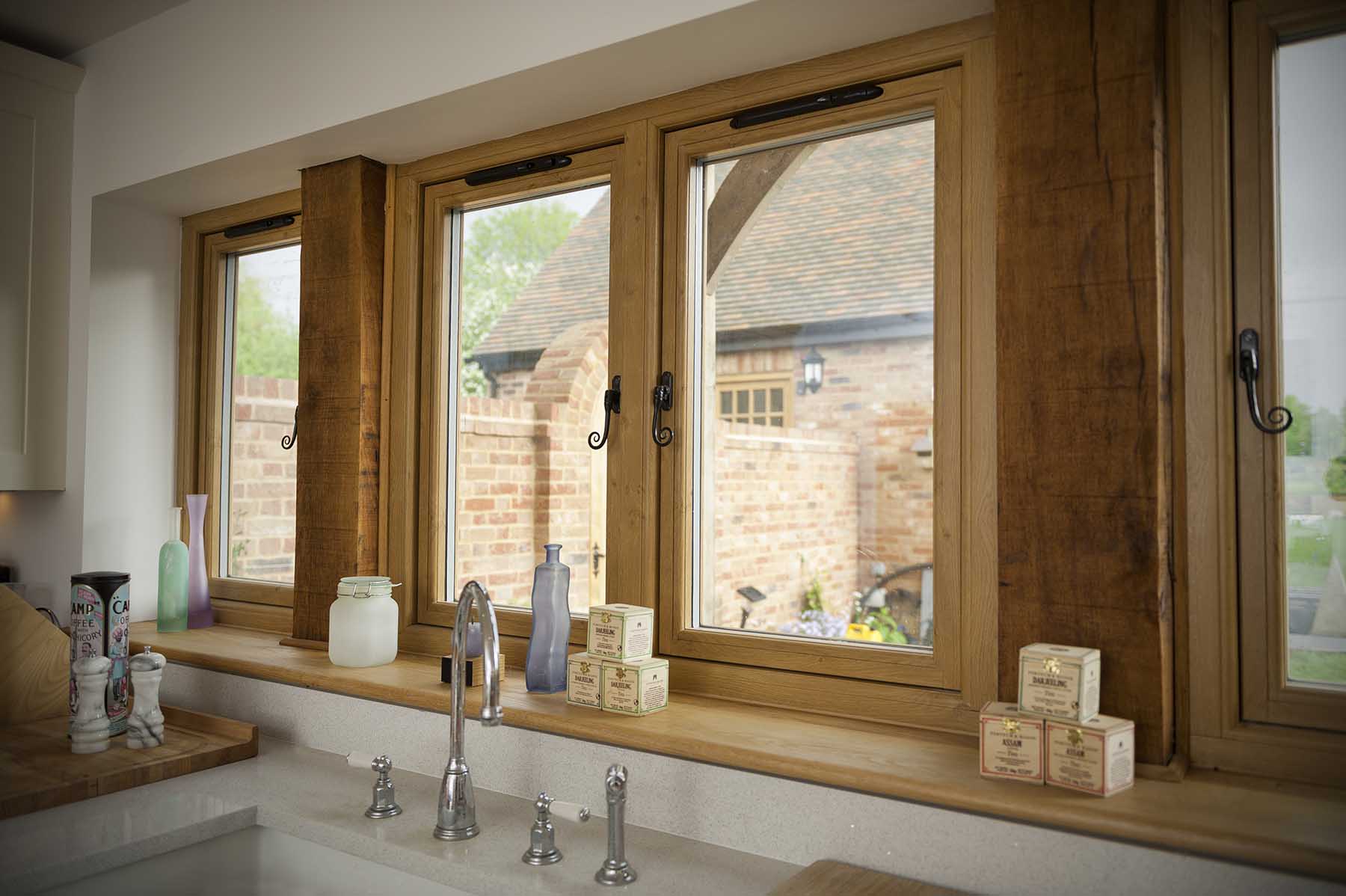
A key part of achieving an authentic look is getting the color and grain pattern just right. Wood effect uPVC windows are available in an extensive range of colors and finishes, allowing you to match your home’s specific style. You can choose from classic wood tones or a variety of heritage colours for a more customized appearance.
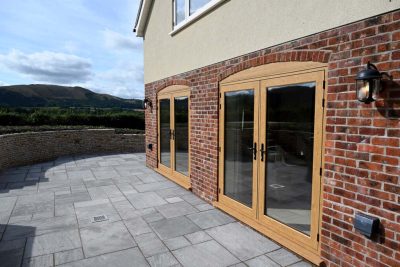
The grain patterns are designed to replicate popular timber species with remarkable accuracy. Finishes like Golden Oak and Irish Oak feature realistic textures that capture the warm, natural look of traditional wooden windows. These options go beyond a simple flat color, adding depth and character to the window frame.
With such a wide range of colours available, you can find the perfect match for your property. Popular choices include:
- Golden Oak: A classic, warm honey-toned wood finish.
- Irish Oak: A lighter, more subtle oak effect for a contemporary feel.
- Rosewood: A rich, dark reddish-brown for a sophisticated look.
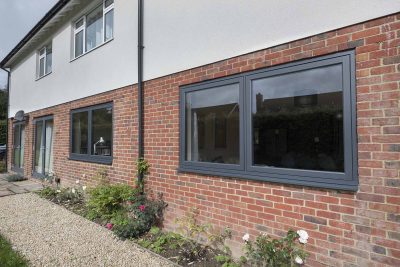
- Heritage Colours: Shades like Chartwell Green and Agate Grey offer a painted-wood effect.
Current Trends in Timber Alternative Window Design
Timber alternative windows are constantly evolving, with new trends emerging that blend traditional aesthetics with contemporary design sensibilities. One of the most popular current trends is the use of flush sash windows. These windows have a sash that sits level with the outer frame, creating a sleek and minimalist look that mimics traditional joinery.
High-end systems like the Residence Collection are leading the way in innovative design. These premium windows are designed to replicate 19th-century timber designs with such precision that they are often approved for use in conservation areas. They are a popular choice for homeowners looking to restore period properties or add timeless elegance to contemporary homes.
Current trends focus on combining classic looks with modern performance. Key trends include:
- Flush Sash Windows: Offering clean lines and a traditional aesthetic.
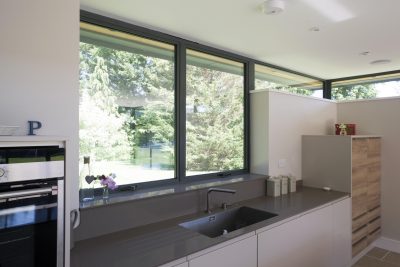
- Slimmer Frames: Maximizing glass area for better views and more natural light.
- Heritage Hardware: Incorporating classic handles and stays for an authentic finishing touch.
Performance and Efficiency Benefits
Beyond their stunning looks, wood effect windows deliver outstanding performance and efficiency. A major advantage is their impressive thermal efficiency, which helps keep your home warmer in the winter and cooler in the summer. This is achieved through advanced frame technology and compatibility with high-performance glazing.
By minimizing heat loss, these windows can contribute to a significant reduction in your heating costs. With excellent energy ratings, they not only improve your home’s comfort but also help reduce your carbon footprint, making them a smart and sustainable choice.
Energy Efficiency Compared to Solid Timber Windows
Are wood effect uPVC windows as energy efficient as traditional wooden windows? In many cases, they are even more efficient. While solid timber windows are natural insulators, they can be prone to drafts and heat loss over time as the wood expands and contracts. Modern timber alternatives are engineered to provide superior, long-lasting thermal performance.
These windows feature multi-chambered uPVC frames that create insulating air pockets, which significantly reduce the transfer of heat. This design, combined with features like warm-edge spacer bars and advanced sealing, helps to achieve excellent energy ratings. This superior insulation means less reliance on your heating system, which can lead to lower energy bills.
By choosing energy-efficient wood effect windows, you are making a wise investment in your home. The reduction in energy costs can help the windows pay for themselves over time, all while you enjoy a more comfortable living environment year-round. They offer excellent insulation without the risk of warping or rot associated with timber.
Double Glazing Compatibility with Wood Effect Frames
Are wood effect windows suitable for double glazing installations? Absolutely. In fact, they are designed to work seamlessly with modern glazing technologies to maximize energy efficiency and security. The robust construction of wood effect uPVC frames makes them the perfect partner for double glazing units.
Double glazing works by trapping a layer of air or inert gas between two panes of glass, which acts as a thermal barrier to reduce heat loss. When paired with an already insulating timber effect frame, the overall performance is exceptional. This combination keeps your home warmer, quieter, and more secure.
For homeowners seeking the highest level of performance, these frames are also compatible with triple glazing. Key benefits of pairing glazing with these frames include:
- Reduced Heat Loss: Keeping your home warmer and lowering energy bills.
- Improved Sound Insulation: Blocking out unwanted external noise.
- Enhanced Security: Making the window much tougher to break.
Maintenance and Longevity Advantages
One of the most compelling reasons to choose wood effect windows is their minimal maintenance and impressive longevity. Unlike real timber, which demands constant attention to keep it in good condition, these modern alternatives are designed for a hassle-free ownership experience, giving you valuable peace of mind.
With their durable construction and weather-resistant finishes, you can trust that your new window frames will look great for years to come. This combination of low maintenance and long-term durability makes them a practical and cost-effective investment for any home.
Lower Upkeep Needs Than Traditional Timber Windows
Do wood effect windows require less maintenance than genuine timber windows? Yes, significantly less. The upkeep for traditional timber windows can be a time-consuming and costly chore. Wood needs to be regularly sanded, repainted, or re-stained to protect it from the elements and prevent it from rotting, peeling, or warping.
In sharp contrast, a timber alternative made from modern uPVC requires virtually no maintenance. The durable woodgrain finish is designed to withstand harsh weather without fading, cracking, or flaking. All that’s needed to keep these windows looking brand new is a simple wipe-down with a soft cloth and soapy water from time to time.
This minimal maintenance frees up your weekends and saves you money on paint, treatments, and labor over the lifespan of the windows. It’s the perfect solution for busy homeowners who want the beautiful look of timber without the constant work, offering true peace of mind.
Durability and Weather Resistance of Timber Effect Windows
Timber effect windows are engineered for exceptional durability and weather resistance. The modern materials used in their construction ensure they can stand up to the toughest weather conditions without deteriorating. Unlike wood, uPVC will not absorb moisture, which is the primary cause of rot and warping in timber frames.
This inherent resistance means your windows will maintain their shape, strength, and appearance for decades. The woodgrain foil finish is also highly durable, designed to resist fading from UV exposure, so your windows will continue to look great year after year. This long-term stability contributes to a lower carbon footprint over the product’s life.
Key durability advantages include:
- Resistance to Rot and Warping: The uPVC material is impervious to moisture damage.
- Color Stability: The advanced foil finishes are UV-resistant to prevent fading and discoloration.
This robust construction ensures that your investment is protected and your home remains beautiful and secure for many years.
Conclusion
In conclusion, wood effect windows offer a chic and practical alternative to traditional timber, combining aesthetic appeal with unmatched durability. They provide homeowners with the warmth and elegance of wood without the high maintenance. With varied materials like uPVC, aluminum, and composite options available, these windows are designed to fit any style while delivering energy efficiency and weather resistance. As you consider upgrading your home’s windows, remember that wood effect windows not only enhance the visual charm but also promise longevity and lower upkeep costs. If you have more questions or want to explore the best options for your home, feel free to reach out for a consultation!
Frequently Asked Questions
Are timber effect windows suitable for heritage or conservation areas?
Yes, many timber effect windows are approved for use in conservation areas and on period properties. Premium systems like the Residence Collection are designed to replicate historic timber designs so accurately that they often meet strict planning requirements for heritage properties. Always check with your local authority for specific guidelines.
Can I customize hardware and color options on timber effect windows?
Absolutely. You can customize your windows with a wide range of colours, from traditional woodgrains to modern heritage colours. You can also select from various hardware options, including classic monkey tail handles and decorative astragal bars, to create a truly authentic and personalized look for your home.
How much do timber effect uPVC windows cost compared to real wood?
Generally, wood effect uPVC windows are more affordable than real timber windows, both in terms of initial cost and long-term upkeep. While the final price depends on style and specifications, the lack of maintenance costs makes the timber alternative a more cost-effective choice over its lifespan. Contact us for an obligation quote.