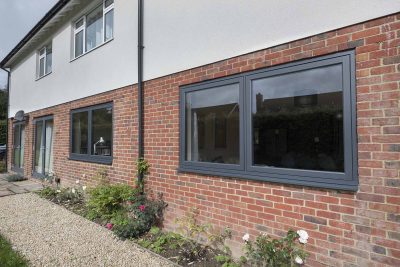
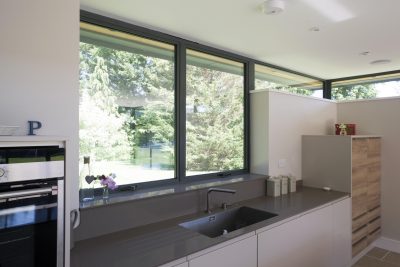
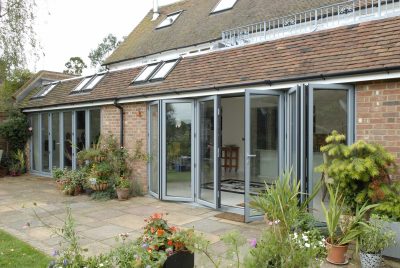
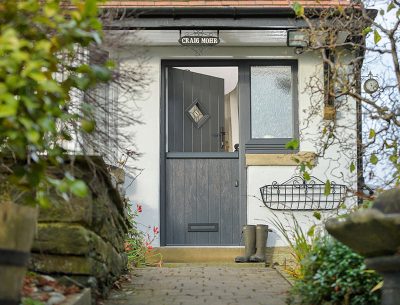


Energy efficient windows Bath: There are several leading options for homeowners in the city and beyond to choose from, but the two most appropriate glazing materials for modern day living are widely accepted to be uPVC and aluminium.
uPVC is the most common frame material in the UK and Bath is no different; although the city’s rich heritage means sliding sash window styles or woodgrain finishes are widely recommended to maintain the historic feel of our medieval streets and green areas. uPVC is known for being affordable, but also incredibly thermally efficient.
Aluminium on the other hand is the fastest growing glazing material in the country. Historically associated with being a poor insulator of heat, this is no longer the case thanks to thermal break technology, and now it isn’t far behind uPVC when it comes to lowering energy bills! It’s also incredibly strong so supports slimmer sightlines, great for natural light intake, and is 100% recyclable.
For Bath properties, the choice often comes down to priorities as you can’t go wrong with either. uPVC windows tend to lead on thermal performance and cost, while aluminium windows stand out for design, natural light and durability. With timber-effect finishes and heritage styles now widely available, both can suit period properties in the special city of Bath beautifully.
Below we’ll explore the two materials in detail, and also outline some of the styles available to you.
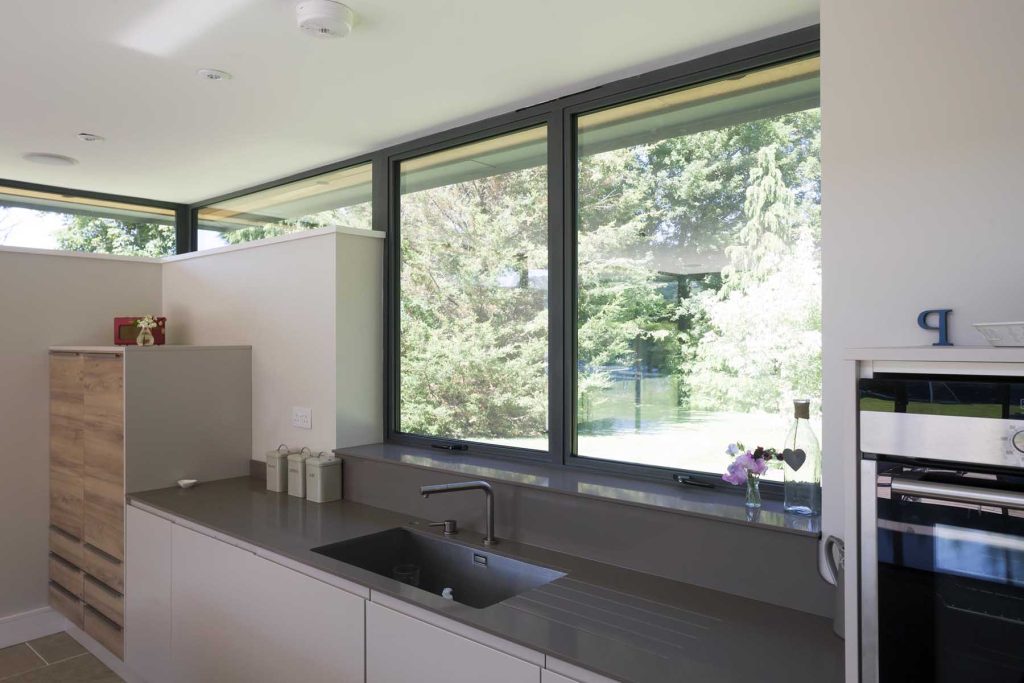
Introducing uPVC as a window material
uPVC (unplasticised polyvinyl chloride) is the most popular window material in the UK. Despite its reputation for affordability, it’s widely used across Bath thanks to its adaptability and strong thermal performance.
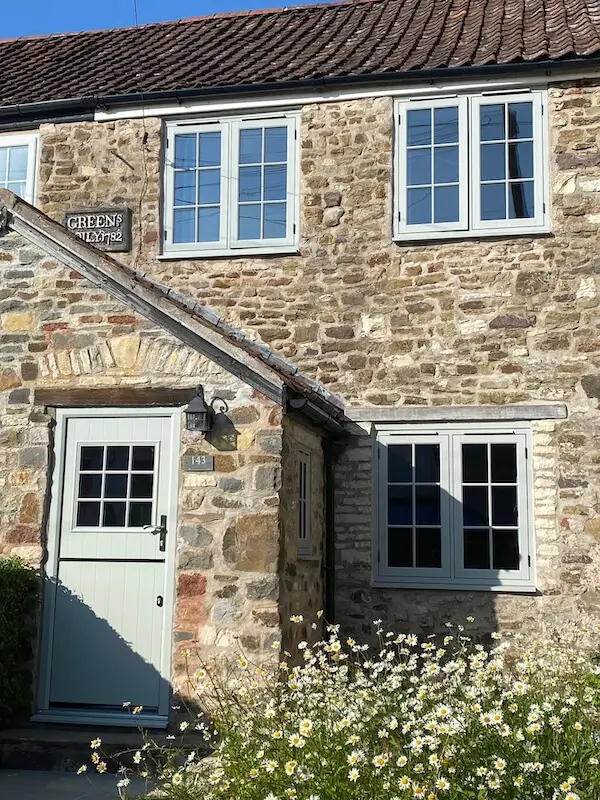
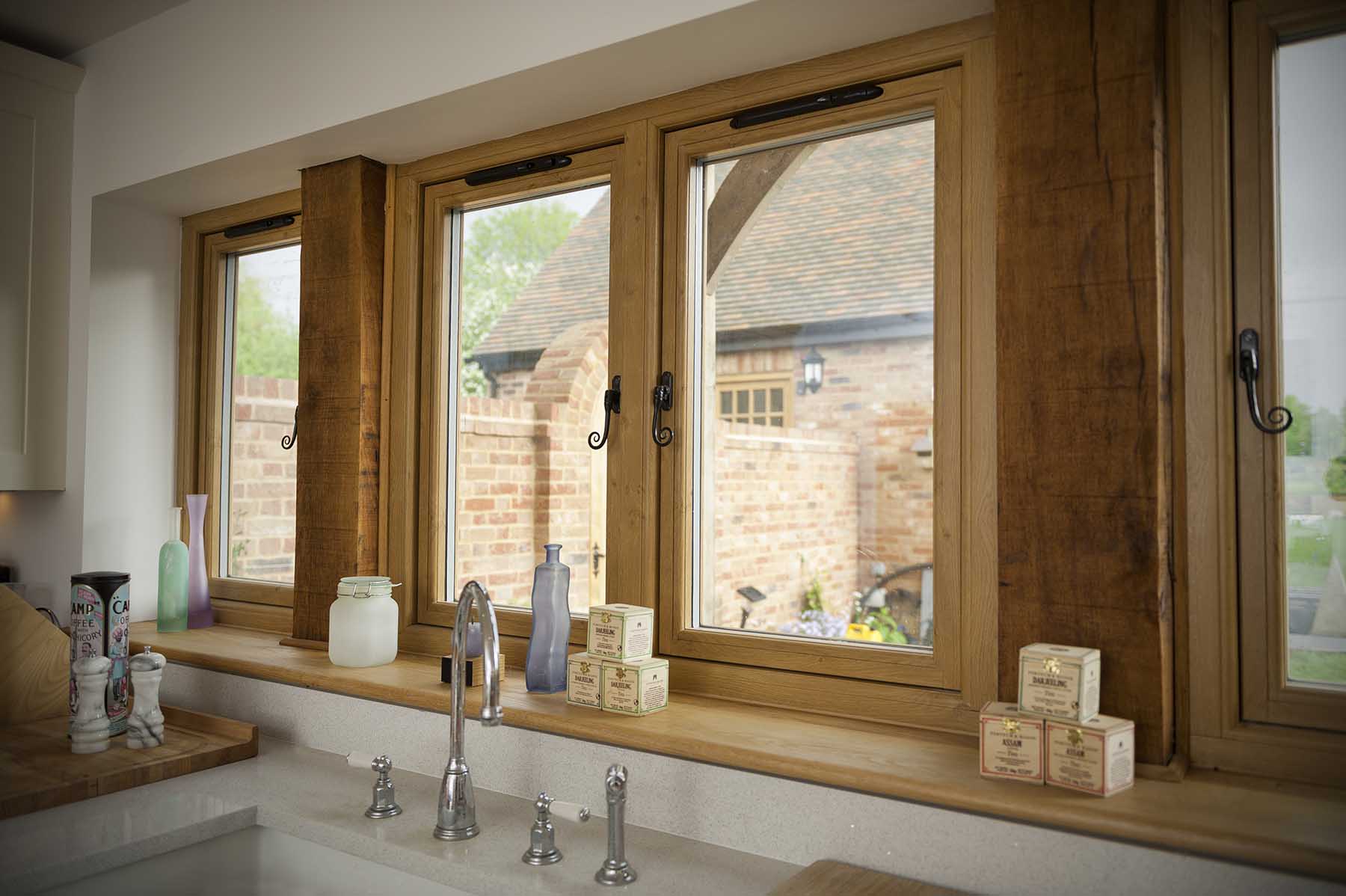
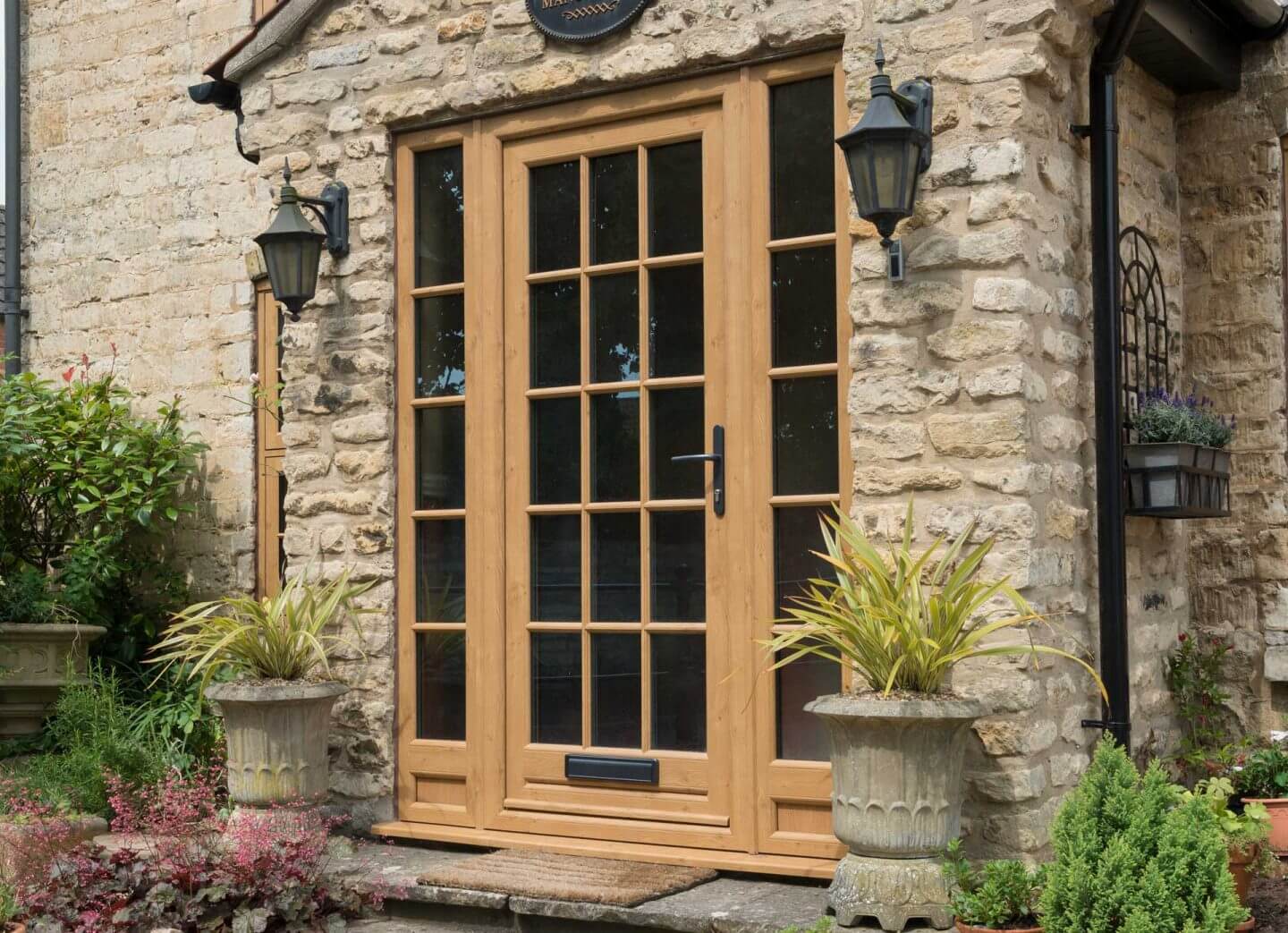
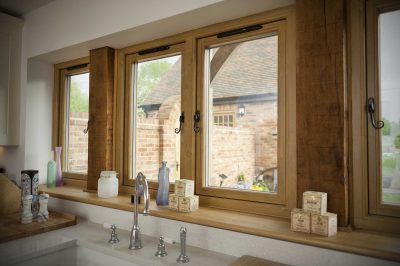
Modern uPVC windows look nothing like early versions (think walking down a street and seeing plain white casements). With sliding sash designs, flush sash frames and realistic woodgrain finishes, they sit comfortably in conservation areas and period homes, meaning you won’t need to worry about planning permission despite the more stringent rules in Bath. We’ve completed dozens of uPVC window installations in the city, so can advise on the best fit for your home.
From a performance point of view, uPVC is excellent at reducing heat transfer. This means less warm air escapes your home, helping your heating systems work more efficiently and lowering energy consumption.
Why is uPVC so cost-effective?
It’s lightweight, easy to manufacture and requires less intensive processing than metal, which keeps production and installation costs down.
Key benefits of uPVC windows:
- Excellent thermal efficiency with multi-chambered frames
- Lower energy bills thanks to reduced heat loss
- Compatible with double glazing and triple glazing, including a third pane of glass for added insulation
- Low maintenance with no need for repainting
- Wide variety of styles, including casement windows and sash windows
- Strong noise reduction, helping minimise noise pollution
- Long-lasting performance with minimal upkeep
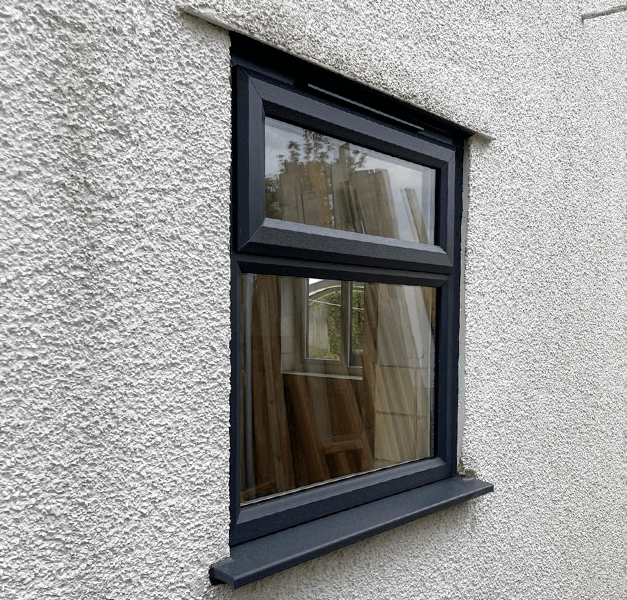
Introducing aluminium as a window material
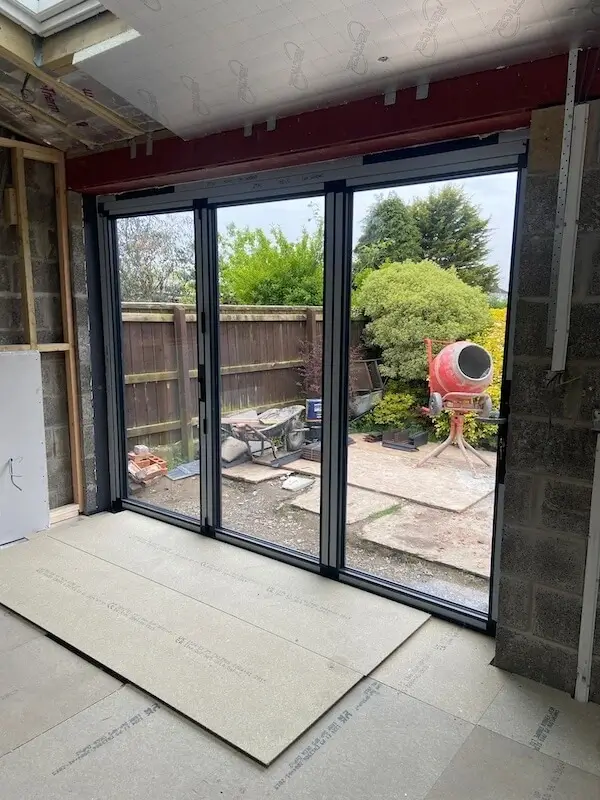
Aluminium is the fastest growing window material in the UK. Years ago, it had a reputation for poor insulation. Today, that’s changed thanks to thermal breaks (a barrier within the frame that reduces heat transfer between inside and outside.)
While aluminium’s thermal performance is now much improved, its real strengths go beyond insulation.
Key benefits of aluminium windows:
- Slim aluminium frames allow more panes of glass and maximise natural light
- Increased daylight can support better sleep, improved mood and productivity
- Strong and durable, ideal for long-term use in exposed locations
- Low maintenance with no warping or rotting
- 100% recyclable, helping reduce your carbon footprint
- Modern and heritage-friendly designs available
- Suitable for large openings such as bay & bow windows
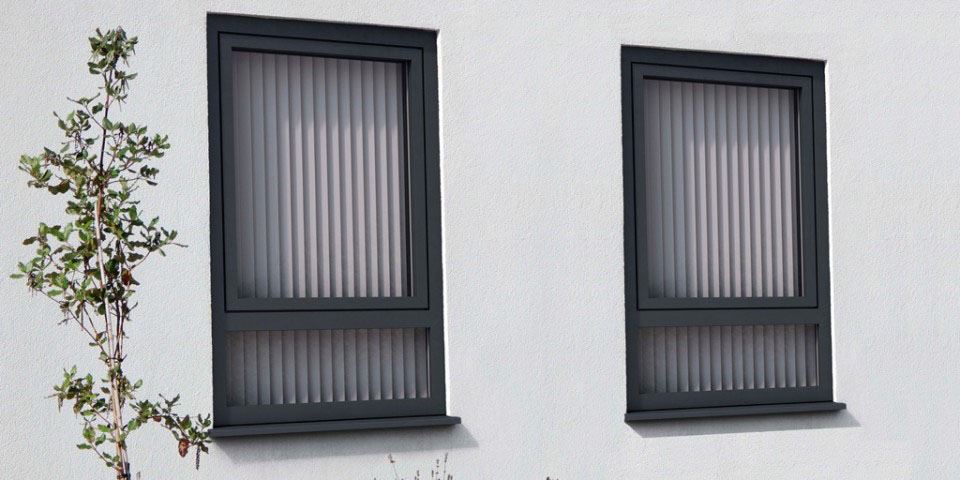
Energy efficient windows Bath: uPVC or aluminium?
When it comes to thermal performance, uPVC still has a slight edge. Its structure naturally traps heat, offering better insulation and helping maintain your home’s thermal efficiency.
That said, aluminium has come a long way. With modern glazing options and thermal break technology, the difference is now much smaller than many homeowners expect.
Both materials reduce heat transfer, the process where heat escapes through a pane of glass or frame. By using multiple layers of glass and insulated frames, efficient windows slow this process down, keeping warm air inside and cold air out.
According to the UK Government’s Energy Saving Trust, upgrading to energy efficient windows can save households up to £140 per year on heating bills, depending on property type.
uPVC or aluminium: Which should I choose
Choosing the right frame material depends on your priorities, budget and the appearance of your home.
Choose uPVC if:
- You want the best windows for thermal performance
- Lower energy costs are a priority
- You’re working within a tighter budget
- You want traditional styles like timber-effect sash windows
- You value low maintenance and reliable performance
Choose aluminium if:
- You want maximum natural light with slim frames
- You prefer a modern or architectural look
- Durability and longevity are key
- Sustainability and recyclability matter to you
- You want strong performance with a contemporary finish
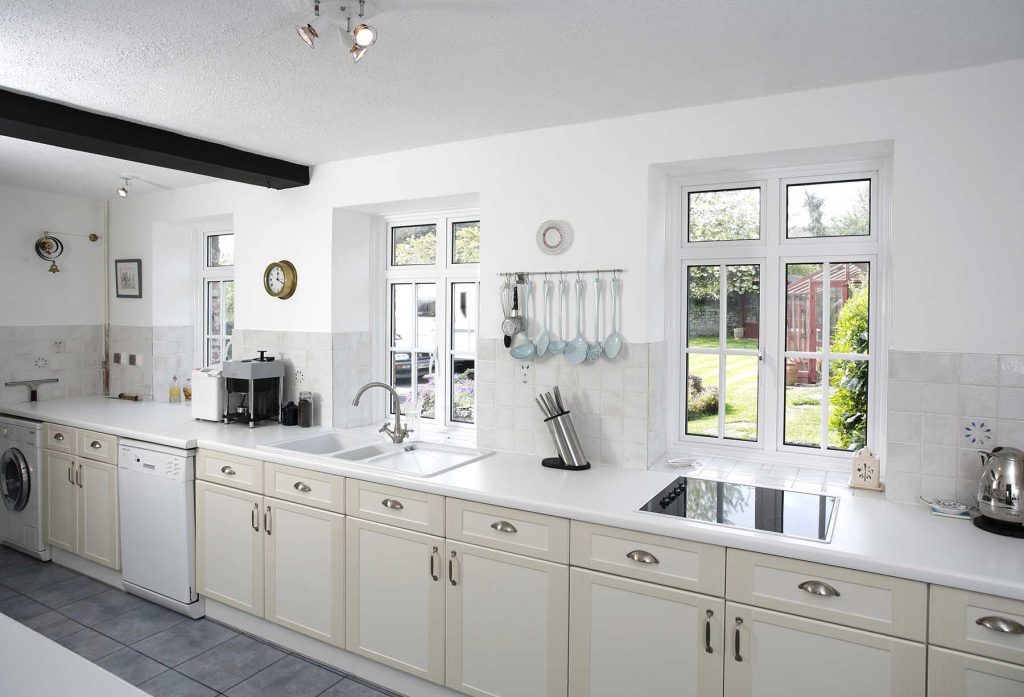
Quick comparison table
| Feature | uPVC windows | Aluminium windows |
| Thermal performance | Excellent | Very good |
| Cost | More affordable | Higher initial cost |
| Frame thickness | Thicker | Slimmer |
| Natural light | Good | Excellent |
| Maintenance | Low | Very low |
| Sustainability | Good | Excellent (recyclable) |
| Style options | Wide range | Modern and heritage |
uPVC windows from DM Windows
We offer a full range of uPVC windows designed to suit older properties and modern homes alike:
- Casement windows: Hinged from the side or top and can open inwards or outwards from a single frame, giving you flexible ventilation and easy access
- Sliding sash windows: Open vertically by sliding one pane of glass past the other, replicating traditional timber sash operation
- Tilt and turn: Dual-opening design that tilts inwards at the top for ventilation or swings fully inwards for cleaning and access
- Bay & bow windows: Made up of multiple window panels that open outwards from angled frames, creating extra space and airflow
- Flush sash: Open like a casement window but sit flush within the frame when closed for a neat, heritage-style finish
- Residence collection: Traditional-style windows that operate like casements or sash windows depending on design, with authentic timber-style opening features
All are available with double glazing or triple glazing for improved home’s energy efficiency.
Aluminium windows from DM Windows
Our aluminium windows combine modern engineering with timeless design:
- Casement windows: Outward or inward opening sashes on hinges, offering simple operation with slim aluminium frames
- Heritage windows: Typically side-hung or top-hung openings designed to replicate traditional steel or timber window movement
- Sliding sash style: Designed to mimic vertical sliding operation, with panes moving up and down or using tilt mechanisms for cleaning
- Tilt & turn: Inward-opening system that tilts for controlled airflow or fully opens for easy cleaning
- Bay & bow: Multiple casement-style panels joined together, each opening outward to improve ventilation and light
- Flush sash: Hinged opening windows that sit level with the frame when closed, combining smooth operation with a clean look
- Slimline windows: Operate like casement or fixed windows but with ultra-thin frames to maximise glass area and light
FAQs
Do new windows really reduce energy bills?
Yes. Efficient windows reduce heat loss, meaning your heating system works less. This can lead to lower energy bills and improved comfort throughout your home.
Is triple glazing worth it in older properties?
In many cases, yes. Adding a third pane of glass improves insulation and reduces noise pollution, which is ideal for busy areas.
Which is better for period properties?
Both can work well. uPVC offers timber-effect designs, while aluminium provides slim heritage frames. The best choice depends on your property’s style and planning requirements.
Who are DM Windows?
At DM Windows, we’re a friendly team of professionals with years of experience supplying and installing high-quality replacement windows across Bristol and the surrounding areas. As CERTASS-certified installers and SafeContractor approved, we provide expert installation services you can trust.
We work with leading systems like Spectus uPVC and Smart aluminium, ensuring every installation delivers long-lasting performance and peace of mind. From one window to a full home upgrade, everything we do is bespoke.
If you’re looking for energy efficient windows Bath, our team is here to help you make an informed decision.
Get in touch today
Call us on 0117 313 6884, email sales@dmwindowsbristol.com or use our online contact form to speak with our team.
We’ll guide you through your options, explain everything clearly and help you find the perfect fit for your home.